
Views: 0 Author: Amenda Publish Time: 2025-12-12 Origin: FDMAT
If you import or buy mouse pads globally, you need to care about safety standards. A mouse pad is not just a piece of rubber and fabric; it is a consumer product. If it contains dangerous chemicals, it can be stopped at customs. This causes delays, fines, or rejected shipments. Proper compliance with regulations ensures smooth importation and customs clearance, helping you avoid unnecessary complications in the buying process.
This guide helps you understand the main rules—like ROHS, REACH, and CA Prop 65—so you can buy products that are safe and legal worldwide.
Mouse pads are made of different materials:
Bottom: Natural rubber or NBR.
Surface: Fabric (Polyester, Lycra).
Others: Glue, printing inks, and maybe LED lights.
These materials often contain chemicals that are regulated, such as heavy metals or plasticizers (Phthalates). You must ensure your supplier controls these from the start.

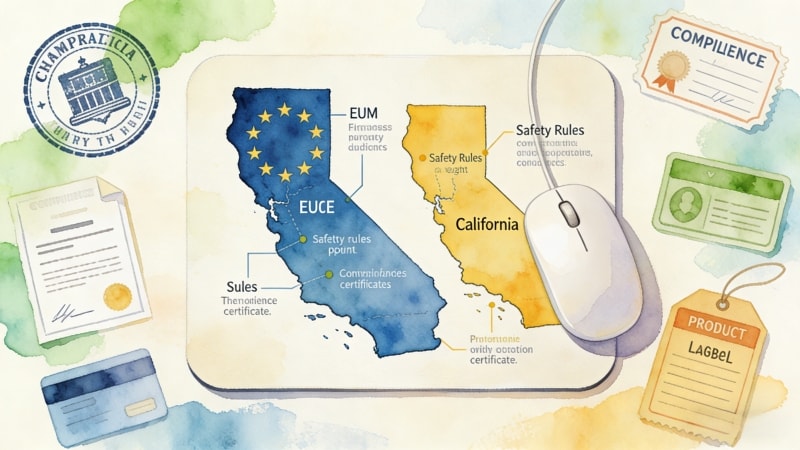
The strictest safety rules come from the European Union (EU) and California (US). If your mouse pad meets these rules, it can usually be sold almost anywhere.
Knowing the applicable subheading for mouse pads is crucial for tariff purposes and compliance with international trade standards, as it determines the correct classification, duty rates, and legal requirements for import and export.
The EU has two main chemical rules: the REACH Regulation and the RoHS Directive. The provisions of these EU regulations are thoroughly discussed in official compliance documents, which detail the requirements and standards for mouse pads and other electronic accessories.
What it is: A law that limits ten hazardous substances in electrical and electronic equipment (EEE), and is subject to periodic updates.
For Mouse Pads: This is very important if you buy RGB or LED-lit mouse pads because they are considered EEE. It restricts substances like Lead, Cadmium, and Mercury. Mouse pads with electronic components may fall under specific legal headings for compliance.
Your Job: Ask for a valid RoHS test report, especially for light-up pads.
What it is: A very broad law covering almost all chemicals in all products. It is much wider than RoHS.
Key Focus:SVHC (Substances of Very High Concern). These are very harmful chemicals that the EU is trying to phase out. Mouse pads are often made from a combination of materials, such as blends of natural and synthetic rubbers, and all components must comply with REACH.
Your Job: The product must not contain SVHCs above a tiny limit (0.1%). Suppliers must provide an SVHC test report. REACH is principally focused on chemical safety in consumer products.
What it is: A law in California (a huge market) that requires warnings for products containing chemicals that can cause cancer or birth defects. California Prop 65 covers a broad spectrum of chemicals and consumer products.
For Mouse Pads: Even if a product is safe, if it contains certain chemicals (like some plasticizers in PVC/foam pads), it must have a clear warning label when sold in California.
Your Job: Suppliers should confirm they either do not use the listed chemicals or they can provide the required warning label.
Choosing the right factory is the fastest way to ensure compliance. When evaluating companies, consider their compliance track record and request documents and proof of a good management system. It is also important to understand the labor practices and labor costs involved in manufacturing mouse pads, as these can impact both quality and ethical standards. Always consider the total cost, including compliance and testing expenses, when selecting a supplier. Before making a decision, ask for a sample product or a sample compliance report to verify quality and compliance.
Document | Purpose | Why It’s Important |
|---|---|---|
Third-Party Test Reports (SGS, TUV) | Shows that the mouse pad material was tested for RoHS, REACH SVHC, and CA65. | Proof of compliance. The reports should be recent (last 1-2 years) and include the date of testing. |
Declaration of Conformity (DoC) | A formal paper signed by the supplier, declaring the product meets all EU laws. | Legal statement that shifts responsibility to the supplier. |
Material Safety Data Sheets (MSDS/SDS) | Details about the chemicals and safety risks of raw materials (rubber, ink). | Shows the supplier is aware of the safety profile of their materials. Packing information should also be included in compliance documentation to meet customs and packaging regulations. |
Compliance is more than one test; it’s about how the factory runs. Consistency in supplier compliance practices is crucial to ensure ongoing adherence to standards and reduce risks over time.
Ask for documentation of the supplier’s compliance program, including how often they audit, what standards they use, and how they handle non-conformities.
Request evidence of past compliance, such as audit reports, certifications, and corrective action plans. Suppliers should create and maintain compliance records for each user or customer.
Review the supplier’s process for monitoring ongoing production. Ensure that production controls are consistent for every user order to maintain quality and compliance.
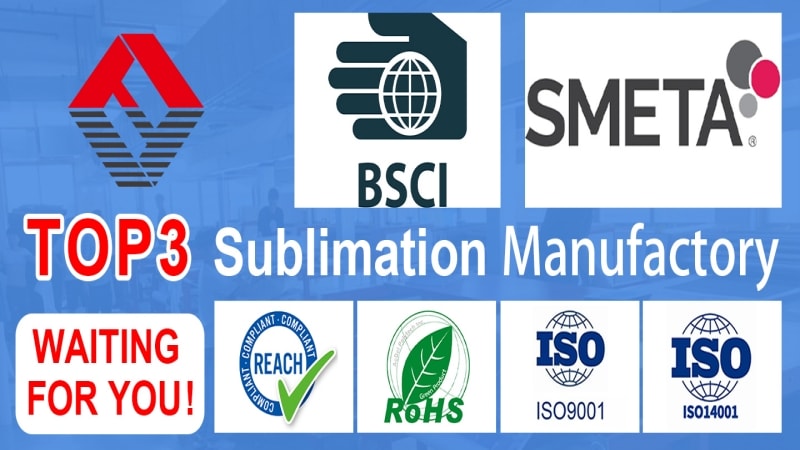
Quality and Environment: Look for ISO 9001 (Quality Management) and ISO 14001 (Environmental Management). These show the factory has good systems. ISO and BSCI certifications are absolutely essential for demonstrating compliance.
Additionally, these certifications provide further benefits by ensuring consistent quality, improving operational efficiency, and enhancing the reputation of your supply chain.
Social Compliance: Certifications like BSCI or SEDEX show the factory treats its workers ethically. (FDMAT Example: We hold ISO and BSCI certifications.)2. Material Sourcing: Ask the supplier how they check their raw materials (rubber and fabric). A good supplier controls the safety risks at the start—not just at the end. 3. Production Control: Can the factory keep compliant products separate from non-compliant ones during manufacturing and packaging?
Packaging Compliance: The EU also has rules for packaging materials. Ask if the packaging is recyclable or has required symbols. Packaging may include carrying cases or accessories suitable for the merchandise, and often incorporates images in the packaging or documentation to enhance product presentation and compliance.
Country of Origin: Ensure your packaging and shipping documents clearly state the country of origin (“Made in China,” etc.). Mouse pads and other articles, such as those made from hard rubber or incorporating new features, are shipped to different countries, so it is important to track shipments and connect with suppliers to monitor your market position. When exporting merchandise, knowing the price and quantity is essential for customs and trade analysis.

Compliance is not a negotiation point; it is the gate to the market. If you ignore the standards (ROHS, REACH, CA65), you risk your entire investment.
Always choose a supplier who treats compliance as a core part of their business.
FDMAT is a professional rubber products manufacturer with established ISO, BSCI, and material control systems. We provide all necessary compliance documentation to ensure your order is safe and legal, helping you focus on sales, not customs problems.
Ready to source compliant mouse pads?
Contact us today to request the latest compliance reports and free samples.


