
Views: 0 Author: Amenda Publish Time: 2026-01-27 Origin: FDMAT
Gaming mouse pads may look simple today, but they have a long and interesting history. Over the decades, gaming mouse pads have evolved through several stages of development, reflecting changes in technology and user needs. From early computer desks to modern esports arenas, gaming mouse pads have changed a lot. They are no longer just desk accessories. They are now an important part of gaming performance in the world of technology.
This article explains what gaming mouse pads are, where they came from, how they evolved, and why they matter today. Throughout their history, innovation has driven changes in the world of gaming mouse pads, leading to new materials, features, and designs that enhance the gaming experience.
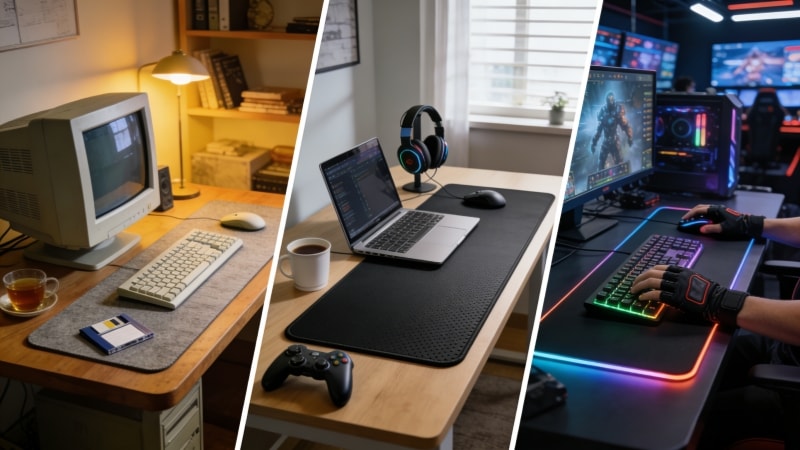
A gaming mouse pad is a surface designed to improve mouse control and accuracy during gaming. It provides a smooth and stable area for the mouse to move, helping players aim better and react faster.
Most modern gaming mouse pads use a soft fabric surface for smooth movement and enhanced comfort and control, along with a rubber base to prevent slipping. This combination helps keep the mouse pad flat and stable during fast movements.
Unlike regular office mouse pads, gaming mouse pads focus more on performance, consistency, and comfort.
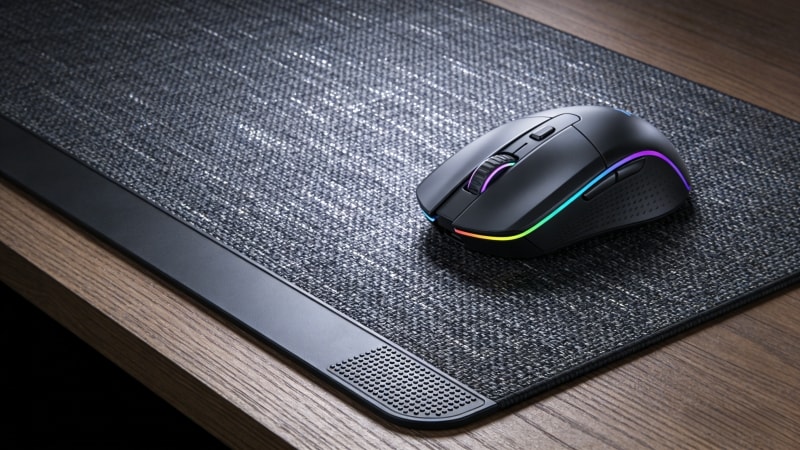
In the early days of personal computers, most users did not use mouse pads. The mouse pad was invented to support the computer mouse, with the first mousepad designed to enhance accuracy and ergonomics, marking a key milestone in the relationship between technology and user experience.
Early computer mice used a rolling ball inside, which needed friction to work properly. Companies like Apple, Moustrak, and others played a pivotal role in the early market for this product, with collaborations involving Disney, Paramount, and Lucasfilm helping to expand its appeal. Bob McDermand and his team contributed significantly to the invention and popularization of the mouse pad, and a chance opportunity led to partnerships with major brands, boosting the product's visibility. The Apple logo was shown on early mouse pads, and magazines such as MacWorld helped distribute and market these products to a wider audience.
Desks were often too smooth or uneven, so users started using simple cloth or rubber pads. As the market expanded, the mouse pad transitioned from a premium product to a commodity, and collecting mouse pads with different designs became popular among enthusiasts.
As PC gaming became popular in the 1990s, players noticed that mouse pads could improve control and reduce errors. At this time, mouse pads were basic, but they solved an important problem: they gave gamers a reliable surface to play on. The source of this historical information highlights the marking of key events in the development of the computer mouse and mouse pad, emphasizing the evolving relationship between these accessories and user needs.
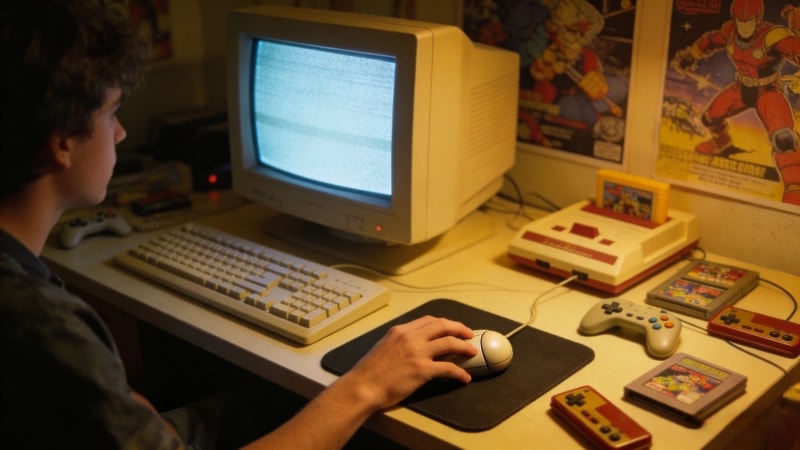
Technology changed quickly. Ball mice were replaced by optical and laser mice. Optical mice, in particular, require surfaces that allow them to function with high accuracy and minimize tracking errors. These new sensors could track movement more accurately, but they also needed better surfaces.
This led to improvements in mouse pad materials. Plastic became a popular material for hard mouse pads, as it provided a smooth and consistent surface to support the needs of optical mice and enhance their precision. Surfaces became more uniform, and rubber bases became stronger to stop sliding. Mouse pads were no longer optional—they became part of gaming equipment.
As competitive gaming and esports grew, performance became more important. Professional players needed consistency, and the quest for the perfect surface for maximum accuracy became a top priority. Achieving paramount quality and consistency is crucial for competitive play, as even a small change in surface texture could affect aim and speed.
Manufacturers began developing mouse pads with specific textures, thicknesses, and sizes. Many gaming mouse pads today are created by manufacturers with experience in rubber materials and surface lamination, ensuring stable and repeatable quality.
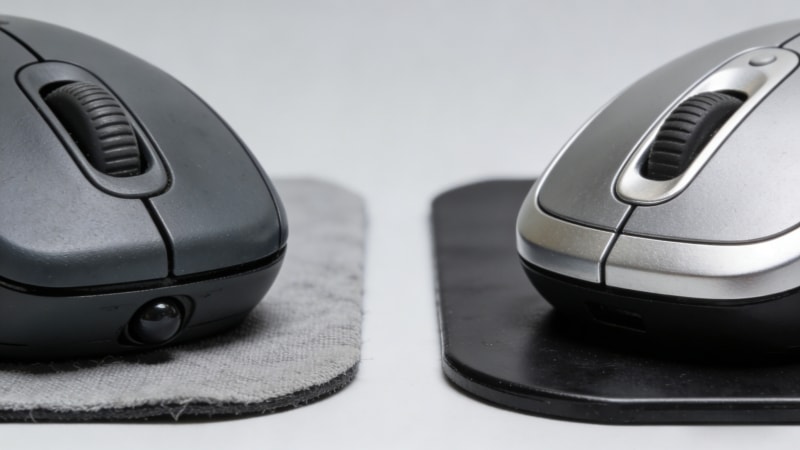
Today, there is a wide variety of gaming mouse pads available, offering numerous options to suit different gaming styles and preferences.
These are the most popular. They offer good control, comfort, and smooth movement. Regular cleaning is important to maintain the performance and longevity of cloth gaming mouse pads.
These provide faster movement and are easier to clean, but they may feel less comfortable over long sessions. Some hard surface mouse pads use glass for enhanced durability and smoothness.
These large pads cover both the keyboard and mouse area. They are popular with gamers, streamers, and brands that want custom sizes or designs. Many users enjoy building a collection of extended mouse pads with unique designs, as these products cater to individual user preferences and styles.
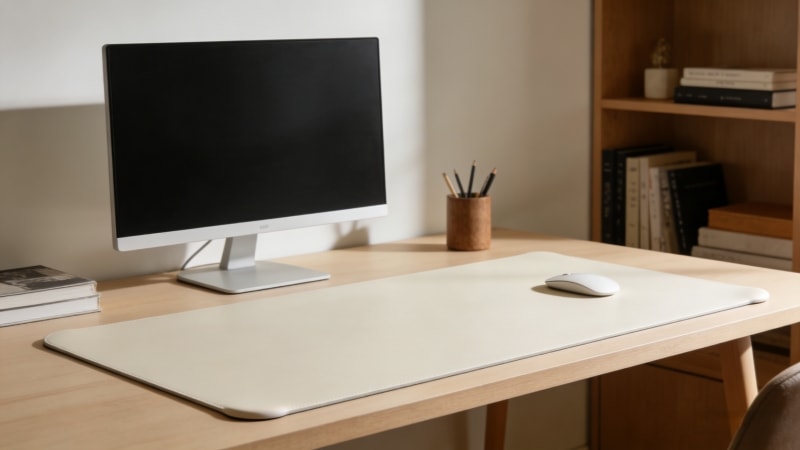
Gaming mouse pads are different from regular mouse pads in several ways:
Surface Material: Gaming pads use optimized fabric or hard coatings for accurate tracking.
Thickness: Gaming pads are usually thicker for comfort and durability.
Base: Anti-slip rubber bases keep the pad in place during fast movement.
Durability: Gaming mouse pads are designed for long-term, heavy use.
Gaming mouse pads offer enhanced functionality that is essential for serious computer users, providing improved speed, precision, and comfort that benefit both gamers and other demanding users.
These differences help explain why gamers prefer gaming mouse pads over standard office pads.
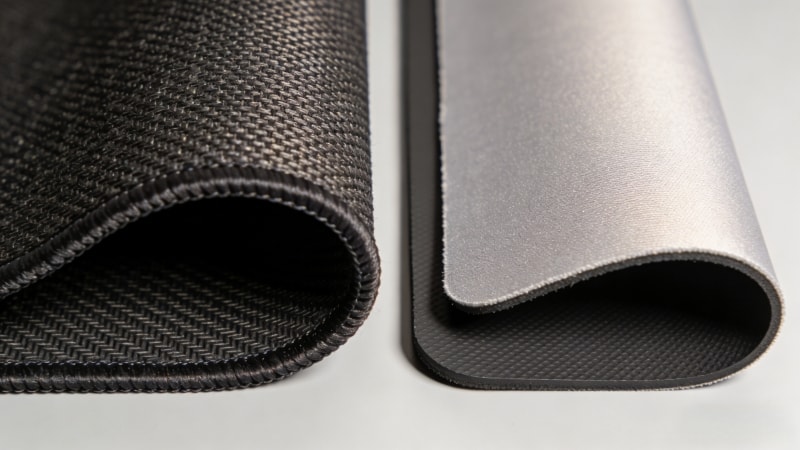
Gaming mouse pads improve more than just comfort.
Better Precision: A stable surface helps with accurate aiming.
More Comfort: Thicker pads reduce wrist and hand fatigue.
Consistent Performance: Quality materials ensure the same feel every time you play.
These benefits may vary depending on the specific surface material and design chosen, as well as material selection and manufacturing quality.
Gaming mouse pads continue to evolve as a product category. Some key trends include:
Larger sizes and desk mats
Custom branding and designs
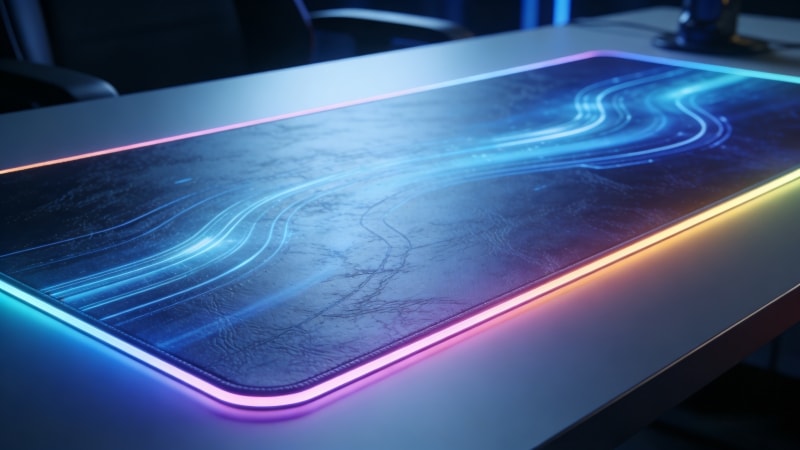
New features like RGB lighting
Increased use of natural rubber and eco-friendly materials
As the market grows, companies are finding new ways to distribute innovative gaming mouse pad products to a global audience, ensuring that the latest features and designs reach consumers worldwide.
Sustainability is becoming more important, and many brands now look for materials that are both high-performing and environmentally responsible.
Yes. They improve control, comfort, and consistency, especially for gaming.
It depends on play style. Low-sensitivity players often prefer large or extended pads.
Cloth surfaces with natural rubber bases are the most common and balanced choice.
If you are looking for a reliable gaming mouse pad manufacturer, FDMat offers a wide range of gaming mouse pads made with carefully selected materials and stable production processes. We support custom sizes, designs, and OEM/ODM solutions for brands and businesses worldwide.
Visit www.fdmat.com to explore our products or contact us to discuss your gaming mouse pad requirements.


