
Views: 0 Author: Amenda Publish Time: 2025-12-24 Origin: FDMAT
Choosing the right mouse pad material can improve comfort, control, and daily performance. There are many different types of mouse pad materials, each offering unique features and uses. This guide explains the main mouse pad materials, how they feel, and which one fits gaming, office work, or custom printing. Simple, clear, and easy to follow.
A mouse pad has two parts:
Surface (top layer): where the mouse moves
Base (bottom layer): keeps the pad from sliding
The surface affects speed and control. The base affects grip and comfort. The mouse pad reduces direct contact between the mouse and the table, protecting both from wear and dust. Using a mouse pad on a dedicated desk surface enhances accuracy and comfort. Together, they decide how smooth, stable, and durable the pad feels.
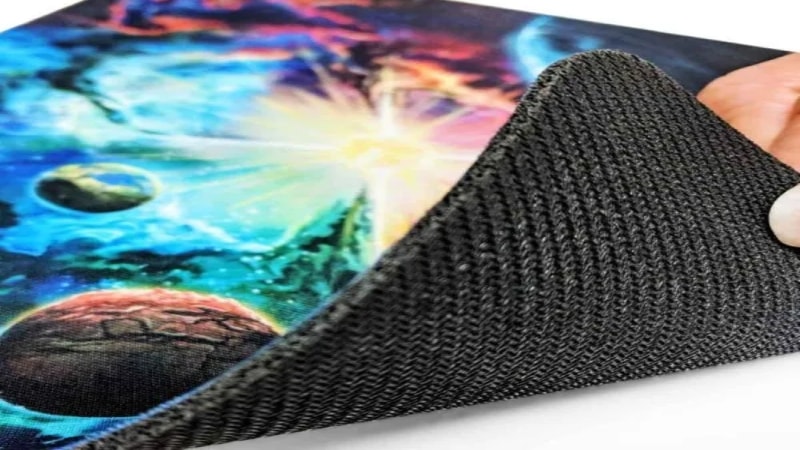
Fabric mouse pads, also known as cloth pads, are the most common.
Surface: polyester or Lycra fabric
Feel: soft and smooth
Performance: good balance of control and speed, with a smooth glide and moderate resistance for precise mouse movements
Use: gaming, office, home
Cloth pads are quiet, comfortable, and easy to use for long hours. However, they can accumulate dust, dirt, and debris over time, so regular cleaning is important to maintain optimal performance and hygiene.
Most mouse pads use rubber on the bottom.
Types: natural rubber or synthetic rubber
Function: anti-slip grip on the desk
Thickness: usually 2–6 mm
Moisture resistance: rubber bases resist moisture, helping to keep the pad clean and comfortable during extended use.
Natural rubber offers better grip and comfort. It also helps the pad stay flat.
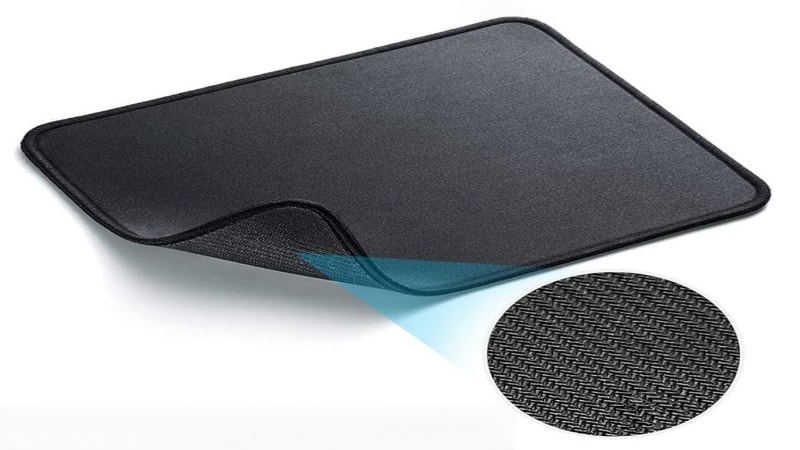
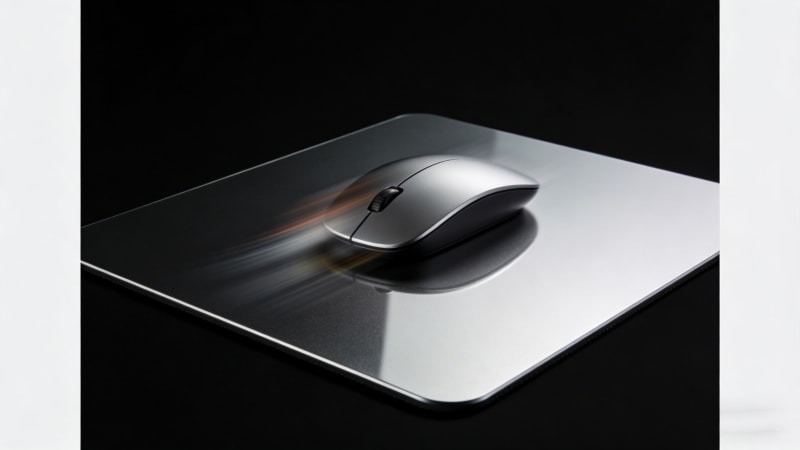
Hard pads use a hard surface for stability and improved tracking. Hard mouse pads are made from: plastic, resin, aluminum, metal pads (which are highly durable, rigid, and provide a smooth surface for fast, precise movements), and glass pads (which offer high precision and a premium, smoother glide but are fragile and expensive).
Features:
very fast mouse movement
low friction
smoother glide and lower resistance, which can feel slippery to some users
consistent density and resistance to pressure, helping maintain performance and stability
easy to clean
Downsides:
less comfort
louder mouse sound
The opposite side of a hard pad often has a non-slip layer to keep it stable on the desk.
Hard pads are popular with some FPS gamers who prefer speed.
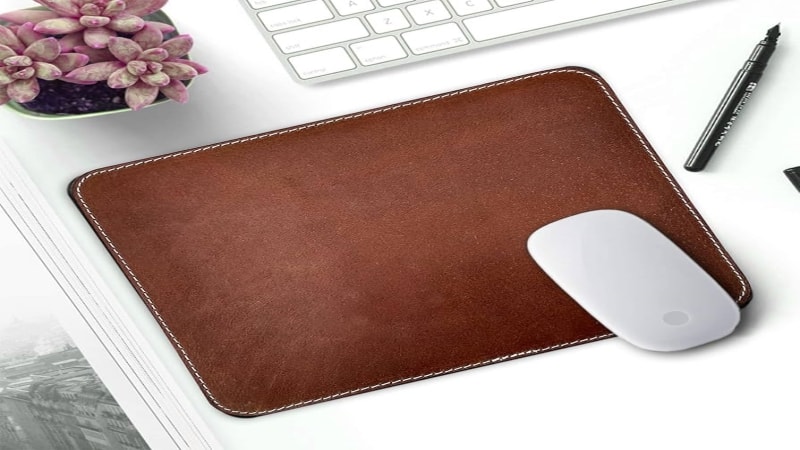
Leather and PU mouse pads look clean and professional.
Surface: PU leather or synthetic leather
Feel: smooth, firm
Care: easy to wipe and clean
They are best for office desks and large desk mats.
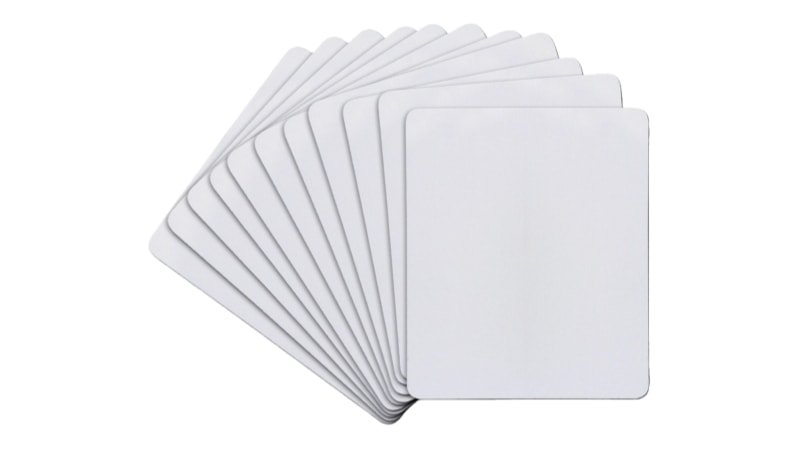
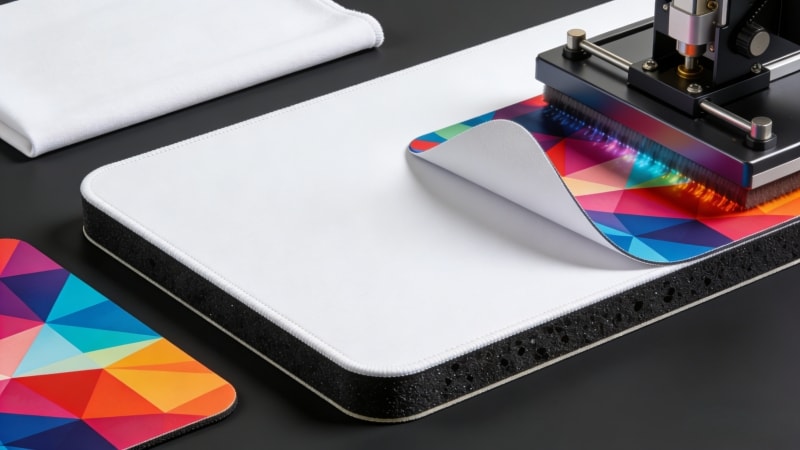
These are made for printing.
Surface: white printable fabric
Base: rubber
Process: heat transfer (sublimation)
They are widely used for custom designs, logos, and gifts.
Material | Control | Speed | Comfort | Durability | Best Use |
|---|---|---|---|---|---|
Fabric | High | Medium | High | Medium | Gaming, office |
Hard | Low | Very high | Low | High | Fast gaming |
Leather / PU | Medium | Medium | High | High | Office desks |
Sublimation | High | Medium | High | Medium | Printing, gifts |
Each mouse pad material offers unique advantages: fabric pads provide excellent control and comfort, hard pads offer superior speed and durability, leather/PU pads combine comfort with a premium look and long-lasting use, while sublimation pads are ideal for customization and gifting due to their print-friendly surface.
For most gamers:
Fabric surface + rubber base is the best choice
Offers good control and comfort
Works well for FPS, MOBA, and daily gaming
High-quality mouse pads can enhance precision and control for different styles of play, making them ideal for gamers seeking optimal performance.
Hard pads are faster, but not everyone likes the feel.
Gaming mouse pads are designed to meet the needs of demanding customers, and different materials suit various gaming preferences and play styles.
For office use:
Fabric pads are soft and comfortable, supporting wrist comfort and helping maintain health during long work sessions.
Leather or PU desk mats look clean and professional
Choose what feels good for long work hours. Some materials are also more convenient to clean and maintain, making them ideal for busy office environments.
For printing:
Sublimation mouse pad material is required. Advances in printing technology now allow for high-quality, durable custom mouse pads.
White fabric surface gives clear colors. The construction of sublimation mouse pads typically involves a white polyester fabric bonded to a neoprene foam base, using heat and pressure to infuse the design into the material.
Rubber base keeps the pad stable.
These are ideal for custom orders and bulk printing. For example, many companies use custom-printed mouse pads featuring their logo for promotional events or employee gifts.
There is no single best material.
Fabric with a rubber base is the most popular for computer users because it provides consistent performance and comfort. This combination offers a stable surface for reliable mouse movement, making it ideal for both office and gaming computer setups.
Fabric: more comfort, better control
Hard: faster speed, less friction
Users tend to prefer fabric pads for comfort and control, while those seeking speed and less friction tend to choose hard pads.
Choose fabric for daily use. Choose hard if you want speed.
Yes. Fabric gives more control for precise moves. Hard pads are faster but less forgiving.
Hard pads and leather pads usually last longer. Fabric pads may wear over time but are easier to replace.
The right mouse pad material depends on how you use it — gaming, office work, or printing.
Fabric surfaces offer comfort and control, rubber bases provide strong grip, and special materials support custom printing and long-term use.
Want a clearer comparison and the latest material options?
Download our latest mouse pad catalog to see:
Updated mouse pad materials explained simply
Different surface and base options
Material choices for gaming, office, and printing use
Download the latest mouse pad catalog and find the right material for your project.


