
Views: 0 Author: Amenda Publish Time: 2025-12-02 Origin: FDMAT
For printing factories specializing in promotional or gaming merchandise, the quality of the raw material determines the quality of the final product. Mouse pad rolls, serving as the primary canvas for your designs, are a critical component that directly impacts color vibrancy, durability, and customer satisfaction.
However, sourcing these rolls comes with unique challenges: ensuring material compatibility with various printing processes and maintaining production line efficiency. Print sourcing is a strategic process in the printing and procurement industry, aimed at optimizing quality, costs, and sustainability.
This comprehensive guide is designed specifically for printing factory procurement teams, helping you navigate the complexities of material selection. The sourcing process involves multiple steps, such as supplier evaluation, material testing, and logistics coordination, focusing on premium fabric surfaces and the guaranteed performance of a natural rubber base.
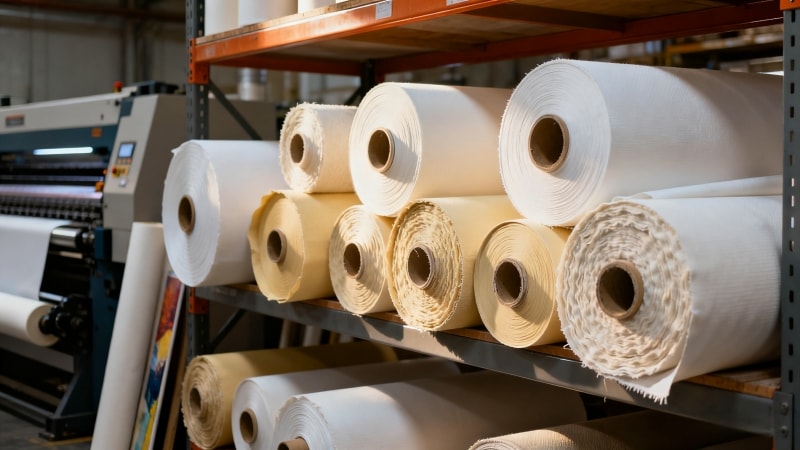
At FDMAT, we exclusively offer Natural Rubber as the base material for our mouse pad rolls. This choice is deliberate, ensuring superior non-slip properties, high durability, and adherence to major environmental standards—essential features for a high-quality, professional-grade finished product. The key characteristics of natural rubber, such as excellent slip resistance, long-lasting durability, environmental friendliness, versatility, and compliance with international standards, make it ideal not only for mouse pads but also for products like yoga mats and safety mats. Natural rubber is widely used across various industries due to its outstanding performance and strict compliance with international quality and safety standards.
The fabric surface is where your ink and design come to life. High-quality fabric is essential for producing consistent and professional printed materials, ensuring your brand maintains a cohesive and reliable image. Additionally, the choice of fabric directly impacts how artwork is transferred and appears on the final product, affecting both color vibrancy and design clarity. Selecting the correct cloth is paramount for color accuracy and the final product’s tactile feel.
Our commitment to natural rubber provides a stable foundation for your printing process. Natural rubber is essential in the manufacturing of mouse pads, yoga mats, and other rubber-based products, ensuring quality and consistency throughout the production process.
Characteristics: High density, excellent elasticity, superior anti-slip capability, and consistent thickness across the entire roll.
Printing Focus: We prioritize low-odor formulations to maintain a comfortable printing environment and comply with strict product safety standards. The roll’s inherent flatness is key to preventing wrinkling or creasing during high-speed printing.
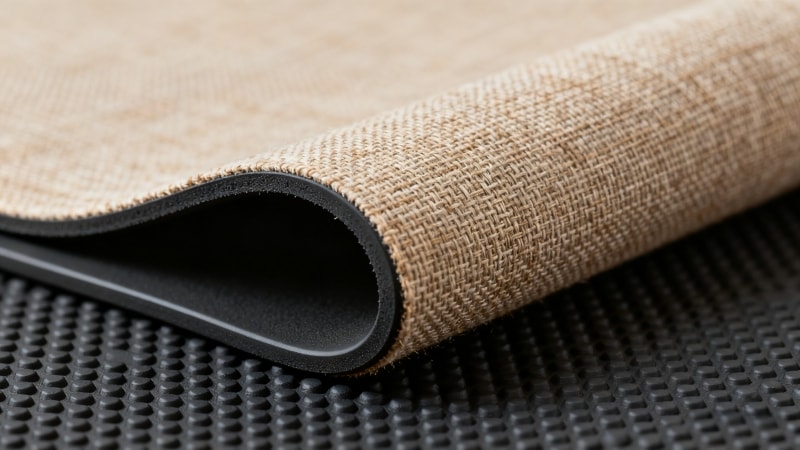
These materials are generally well-suited for high-volume orders using established printing techniques, primarily heat sublimation printing or screen/UV printing. Similar fabric surfaces are also used in the production of brochures and other marketing materials, where selecting quality print sourcing is crucial for effective communication. Various methods, such as heat sublimation and screen/UV printing, are applied in fabric printing to ensure optimal results.
Fabric Name | Ideal Application/Feature | Printer’s Note |
|---|---|---|
Polyester Fabric (佳积布) | Standard, high-volume promotional pads. | Excellent color absorption, high cost-effectiveness. |
Waterproof Fabric (防水布) | High-end desks, protection against spills. | Requires careful heat-setting to maintain water resistance. |
High Density Fabric (特密布) | Enhanced smoothness for improved optical tracking. | Better detail rendition in printed images. |
Jacquard Fabric (提花布) | Unique, textured aesthetics. | The texture might affect fine details; requires pre-testing. |
Glasses Fabric (眼镜布) | Microfiber for dual-use (mouse pad & screen cleaner). | Extremely soft surface; ensure ink adherence is strong. |
These specialized fabrics cater to the competitive gaming and high-performance markets, offering unique speed or control characteristics. Sourcing these can significantly differentiate your finished products.
Market Positioning: These rolls are for customers demanding premium tactile feel and ultimate performance. They are especially suited for enhancing the performance and appeal of custom mouse pads, a primary product category that benefits from these high-performance fabrics. By enhancing both the quality and customization options, these fabrics help custom mouse pads stand out as effective tools for brand visibility and personalized marketing.
Printing Considerations: Due to their specialized weaves and treatments, these fabrics may require specific sublimation temperature/time adjustments or unique ink profiles to achieve optimal color fixation without compromising performance:
Acrylic Fabric (亚古力)
Artisan Zero Style Fabric (类零布)
Zowie Fabric (卓威布)
Type 99 Fabric (99式布)
Saturn Fabric (土星布)
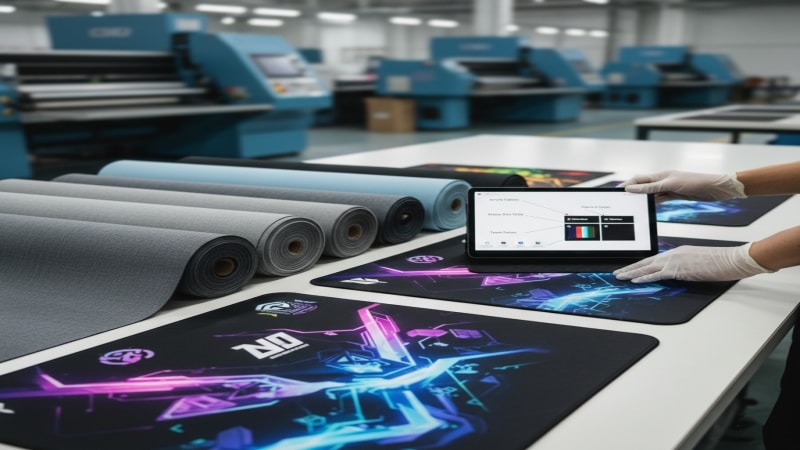
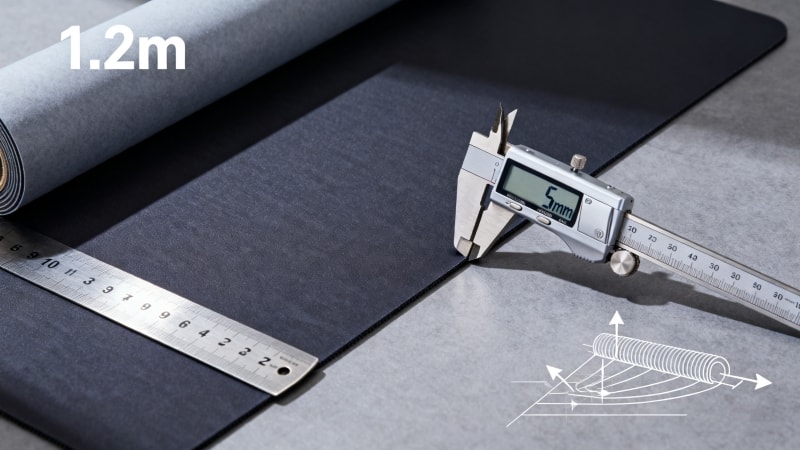
The physical specifications of the roll must align perfectly with your machinery to maximize throughput and minimize waste. Ordering the right quantity of material not only streamlines production but also helps control costs by reducing excess inventory and taking advantage of bulk pricing.
Width: The roll width (e.g., $1.2m$, $1.4m$) must be selected to match the effective printing area of your machinery. Inefficient width selection leads to excessive material offcuts and waste.
Thickness: The chosen thickness ($2mm, 3mm, 5mm$) affects not only the product feel but also the setup parameters for your die-cutting and edge-stitching equipment.
Color Adsorption Uniformity: The surface coating must guarantee consistent ink absorption across the entire roll’s width and length, preventing color banding or fading issues. Digital tools can be used to monitor and optimize printing parameters, ensuring uniform color adsorption and improving process efficiency.
High-Temperature Stability (for Sublimation): The fabric and rubber base must exhibit minimal shrinkage or deformation when subjected to the high heat of your heat press, ensuring pattern alignment and dimensional stability.
Perfect Flatness: The single most crucial factor for efficient printing. A roll must unspool perfectly flat.
Winding Tension: Ask your supplier about their winding tension control. Poorly rolled material results in uneven tension, leading to wrinkles and waves that dramatically increase the reject rate during printing. Proper supplier communication and careful material handling can reduce the effort required to maintain consistent production quality.
A reliable supplier acts as an extension of your quality control department. Supplier selection is critical—working with reliable suppliers ensures consistent quality, dependable delivery, and minimizes production risks.
Regular evaluation of supplier performance is essential to maintain high standards. Strong supplier relationships, built on effective communication and ongoing performance monitoring, help ensure reliability and continuous improvement. Leveraging digital tools and automation can help manage supplier relationships more efficiently, streamlining procurement processes and increasing transparency in supplier interactions and logistics.
Suppliers play a key role in maintaining reliability and meeting rigorous production standards, making their selection and management a vital part of the print sourcing process.
Printing factories rely on predictable material supply. Consistent material quality is essential for providing high quality print services to clients, as it ensures reliable and uniform results in every print run. You must ensure that the supplier can maintain batch-to-batch consistency in terms of rubber density, fabric color hue, and overall thickness. Inconsistency requires constant re-adjustment of your machines, leading to downtime and errors.
For export markets, compliance is non-negotiable. Sustainability and minimizing environmental impact are increasingly important considerations in print sourcing, as businesses strive to align with global environmental responsibility standards. Confirm that all materials (natural rubber and fabrics) adhere to necessary international certifications, such as RoHS (Restriction of Hazardous Substances) and REACH (Registration, Evaluation, Authorisation and Restriction of Chemicals). Using recycled materials not only helps meet regulatory requirements but also supports sustainability goals by reducing environmental impact. Compliance prevents costly shipment delays and rejections.
Focusing solely on the lowest price per meter is risky. Low-cost materials often suffer from defects, poor flatness, or inconsistent coating, resulting in a high spoilage rate on your production line. This high waste significantly elevates your true cost per sellable unit. In addition, hidden costs such as increased shipping costs and storage expenses from excess or inefficient inventory management can further impact your overall costs if not managed properly. Prioritize stable quality over marginal upfront savings, as efficient procurement and supplier management offer the benefits of reducing these hidden costs and improving your bottom line.

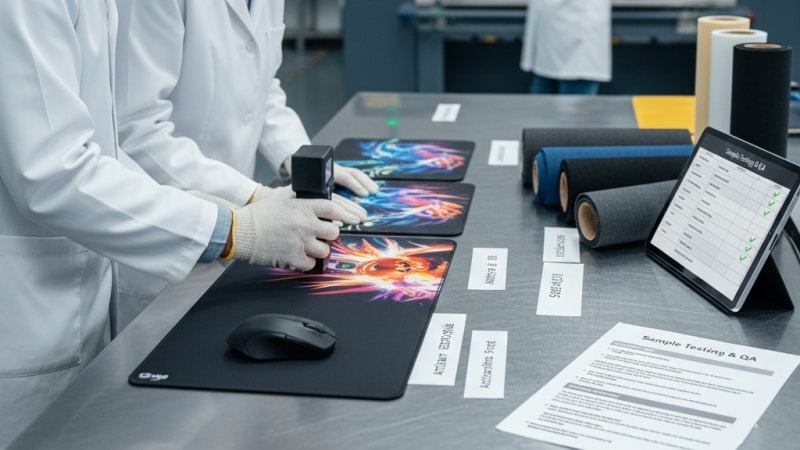
Before placing a bulk order, a structured testing phase is essential. Companies often implement effective strategies in procurement and testing to ensure optimal material selection and production outcomes.
Actual Production Trial: Always request samples of the specific fabric (e.g., Artisan Zero Style Fabric) and run a small production batch using your factory’s own printers, inks, and heat presses. Sample testing is especially important for customized mouse pads, personalized mouse pads, and photo mouse pads to ensure design accuracy and material compatibility.
Key Test Points: Evaluate color accuracy, ink penetration, and the material’s post-baking deformation rate.
Ensure your contract includes a clear specification of acceptable material deviation tolerances (e.g., thickness variance) and a definitive material warranty and replacement policy covering production defects. Consistently upholding quality standards not only reduces defects but also preserves brand recognition and fosters customer trust.
Sourcing mouse pad rolls is a strategic decision for any printing factory. Success hinges on two pillars: selecting the right fabric surface that meets your client's market needs and ensuring the production stability offered by high-quality, flat-rolled materials like natural rubber.
Ready to optimize your production and elevate your product quality?
Contact FDMAT today to discuss your specific printing process type and target product positioning. We will professionally match you with the ideal Conventional or New Fabric roll samples and provide a competitive quotation for your bulk customization needs.
Next Article Sneak Peek: In our next guide, we will delve into the technical demands of High-Precision Die-Cutting and Edge-Stitching Processes on mouse pad roll materials.


