
Views: 0 Author: Amenda Publish Time: 2026-01-22 Origin: FDMAT
Mouse pads are common desk accessories used at home, in offices, and for gaming. Originally, mouse pads were designed to protect the table or desktop surface from wear and to improve mouse tracking.
Although they look simple, mouse pads are made from different materials and come in many types. These differences affect comfort, mouse movement, durability, and price. Mouse pads can accumulate dirt over time, which can affect performance, so regular cleaning is important for maintaining optimal use.
In this article, we explain what mouse pads are made of, the main types of mouse pads, and how to choose the right one for your needs.
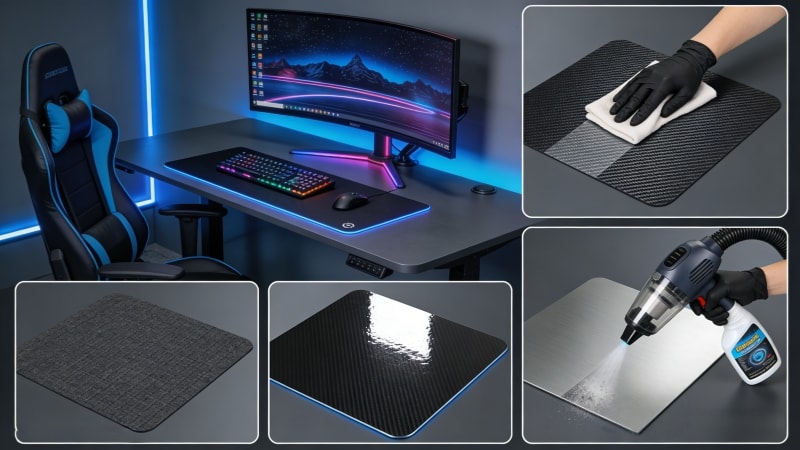
Most mouse pads are made from two parts: a base material for grip and a surface material for mouse movement. The base is typically made of non-slip rubber or foam, while the surface is often crafted from fabric, plastic, or even glass, depending on the intended use. For more details, the combination of a rubber base and a fabric surface is popular because it offers both stability and smooth tracking. Many brands use these materials to ensure durability, moisture resistance, and optimal performance for a wide range of users.
Natural rubber is one of the most common mouse pad base materials.
Strong anti-slip performance
Soft and flexible
Durable for long-term use
Often used in high-quality and custom mouse pads
Many manufacturers use natural rubber for gaming mouse pads, desk mats, and blank mouse pads for printing. Natural rubber mouse pads have proven their durability and reliability over many years of use.
Synthetic rubber and PVC are more affordable materials.
Lower cost
Easy to produce in large quantities
Often used for promotional mouse pads
Less flexible than natural rubber
These materials are typically suitable for simple office use or short-term promotions, as synthetic rubber and PVC mouse pads are typically used for short-term or promotional purposes due to their lower durability.
The surface of many mouse pads is made from fabric, usually polyester or microfiber.
Smooth and comfortable surface
Good mouse tracking
Suitable for gaming and office use
Cloth mouse pads are popular because they balance comfort and performance. They are also flexible and can be easily rolled for storage or transport, making them convenient for users on the go.
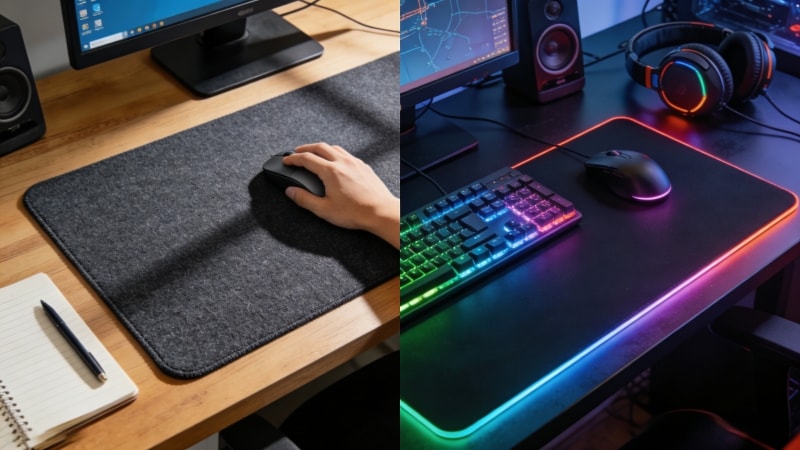
Plastic mouse pads have a hard surface.
Fast mouse movement
Easy to clean
Less comfortable for long use
Plastic mouse pads offer less friction than cloth pads, allowing for faster mouse movement.
They are often used by users who prefer speed over comfort.
Metal mouse pads are usually made from aluminum.
Very durable
Smooth and stable surface
Premium look
Metal mouse pads prove their worth by providing excellent accuracy and control for demanding users.
They are less common and usually more expensive.
Glass mouse pads are a high-end option.
Very smooth surface
High precision for gaming
Fragile and heavy
Higher cost
Users will notice the exceptional smoothness and precision offered by glass mouse pads compared to other materials.
These mouse pads are designed for special users, not daily office work.

Mouse pads can also be grouped by how they are used. The type of mouse pad chosen often depends on individual preference and specific needs.
Gaming mouse pads are designed for performance.
Focus on speed or control
Often larger in size
Commonly use cloth surfaces and rubber bases
Gaming mouse pads are engineered to respond quickly to user movements, enhancing accuracy and providing stopping power and traction for precise control. Features like a smoother glide in all directions help with fast, sweeping movements, and having enough space on the pad is important for these actions. The right gaming mouse pad can boost performance, provide the power needed for micro-adjustments, and deliver the best experience for gamers.
They are widely used by gamers and esports players.
Office mouse pads focus on comfort.
Simple design
Suitable for daily work
Often medium size
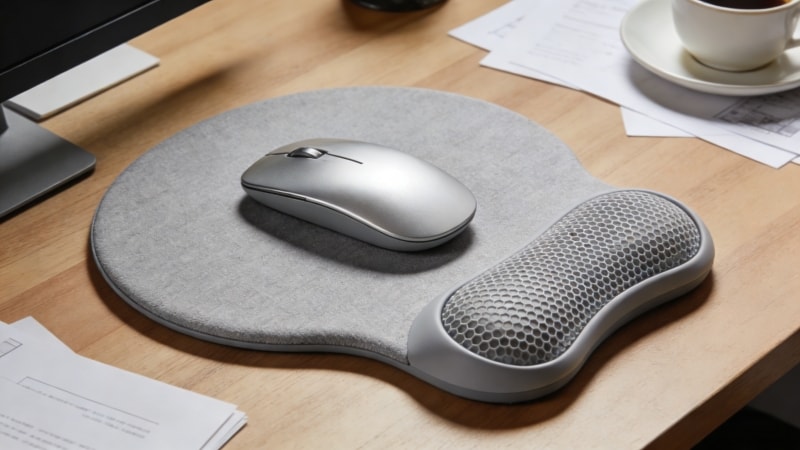
Some office mouse pads include a wrist rest to further improve comfort during extended use.
They are ideal for long hours at a desk.
Extended desk mats cover both the keyboard and mouse area, as well as a significant portion of the desktop.
Large size
Protect the desk surface
Popular for modern desk setups and branding
Many companies choose extended desk mats for custom printing and bulk orders.
Ergonomic mouse pads include wrist support, often featuring extra cushioning to enhance comfort and provide better wrist support.
Helps reduce wrist pressure
Suitable for long computer use
Common in office environments
They are designed for comfort and health.
Mouse pads can also be classified by surface texture.
Smooth surface mouse pads: fast movement, good for speed
Textured surface mouse pads: better control and precision
Hybrid surfaces: balance speed and control
Different textures suit different users and mouse settings.
The surface texture of a mouse pad directly affects friction, which in turn influences how consistent the tracking and course of mouse movement feel during use. Testing different combinations of surface and base materials can help users find the right balance of friction, speed, and control for their needs. These combinations also impact the wear on mouse feet and the mouse pad itself, affecting durability and long-term performance. A consistent surface ensures reliable tracking and smooth movement, while the course of the pad can enhance precise aiming and micro-movements, especially important for gaming.
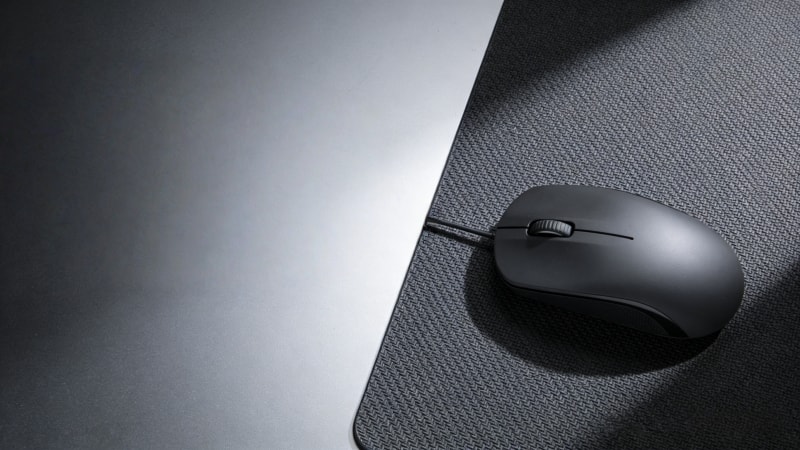
When choosing a mouse pad, think about how you will use it.
For gaming: cloth surface with a rubber base
For office work: soft and comfortable materials
For long-term use: durable natural rubber base
For printing or branding: flat fabric surface with a stable base
Your budget should match your needs. Higher-quality materials usually offer better comfort, durability, and performance.
Thickness is also important. Mouse pads are available in thin (0.5–2mm), standard (around 3mm), and thick (4mm or more) options. Thin pads feel firmer and are easy to carry, while thick pads provide more cushioning. Many users find 3mm to be a good balance between comfort and control.
For example, gamers who prefer speed may choose thinner pads, while users who work long hours often prefer thicker ones.
Many factories offer different materials, thicknesses, and sizes to meet customization needs.
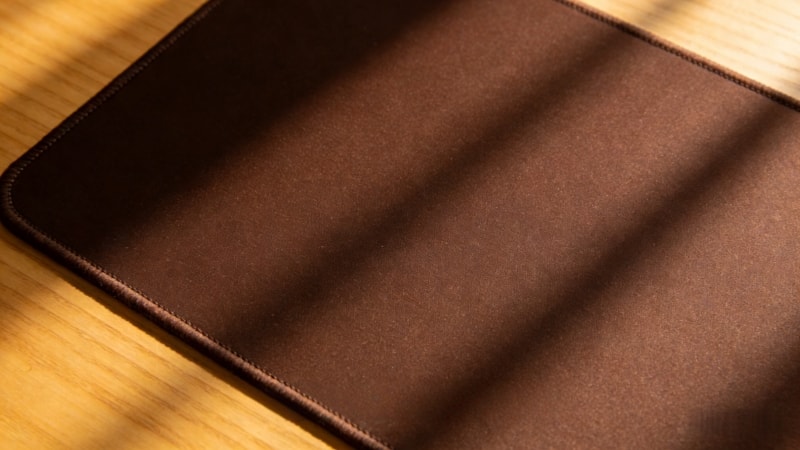
Understanding what mouse pads are made of and the different types available helps you choose the right product for your needs. A good mouse pad is essential and plays a vital role in ensuring comfort, accuracy, and performance, especially for gaming and precision tasks. As mentioned earlier, the quality of the edges is important for durability—stitched edges help prevent fraying and increase longevity, while the downside of non-stitched edges is that they may fray over time.
Materials and design affect comfort, performance, and durability.
If you are looking for custom mouse pads, blank mouse pads, or wholesale manufacturing services, working directly with an experienced manufacturer can help ensure stable quality and flexible options.
You can learn more about mouse pad materials, customization services, and production solutions at www.fdmat.com. Feel free to contact us if you have any questions or product needs.


