
Views: 0 Author: Amenda Publish Time: 2026-01-19 Origin: FDMAT
A mouse pad is helpful, but it is not always necessary. If you do not have a mouse pad nearby, many common items around you can basically work as a temporary solution. The key is using a surface that is flat, smooth, and stable—a smooth surface is essential for optimal mouse performance.
In this article, we will explain what can be used as a mouse pad, how to use these alternatives properly, and when a real mouse pad is the better choice.
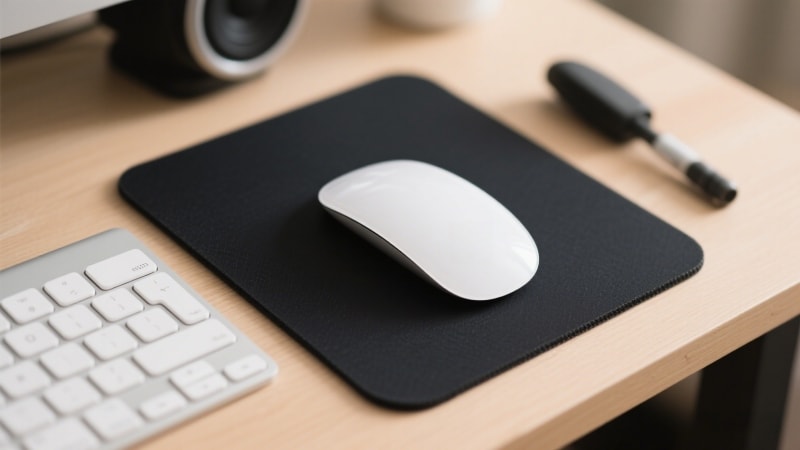
A mouse pad creates a smooth and even surface that allows your mouse to glide effortlessly. This helps the mouse move accurately and comfortably. It also protects your desk from scratches and can reduce wrist strain during long hours of work.
While a mouse pad is recommended, it is possible to use other items when needed.
Below are some simple mouse pad alternatives you can find at home or in the office. There are also many other options you can consider as makeshift mouse pads, depending on your workspace needs.
Paper-based items can work for short-term use.
Notebook
Magazine
Thick magazine
Cardboard
Printer paper
Hardcover book
These items are easy to find and work well for quick tasks. However, they wear out fast and may move on the desk. A printed photo or page can also be used as a temporary mousepad if you need a smooth surface in a pinch.

Soft materials can provide smooth movement for optical mice.
Cotton cloth
Microfiber cloth
T-shirt
Fabric placemat
Foam sheet
Fabric surfaces are quiet and gentle on the mouse. Make sure the fabric is flat and does not wrinkle while using it.
Sometimes your desk itself can be used.
Wooden desk
Laminate tabletop
Matte desk surface
Table
Wood surface
These surfaces usually work well if they are clean and not shiny. Any clean, hard surface can serve as a mousepad alternative, but avoid desks with heavy texture or gloss.
Some household items offer a good balance of smoothness and stability.
Book cover
Plastic folder
Leather notebook cover
Smooth plastic cutting board
These items are more durable than paper and often work better for longer use.
To make a simple DIY mousepad, start with a thin layer of foam or cardboard as the base. Attach a piece of fabric or decorative paper to the top using adhesive or glue. Use tape or duct tape to stick the layers together, securing them from one side to the other. For extra stability, add a non-slip material like a drawer liner to the bottom layer to keep your mousepad from sliding around.
Using the right method can improve your experience with mouse pad alternatives.
Choose a flat surface that is stable for best mouse performance
Cut any materials to the same size as your base for a seamless fit
Securely attach any layers or materials to prevent movement during use
Keep the surface clean and dry
Avoid shiny or reflective materials
Stop using the item if mouse tracking feels unstable
These simple tips help improve accuracy and protect your mouse.

Some surfaces may look smooth but are not suitable.
Glass surface
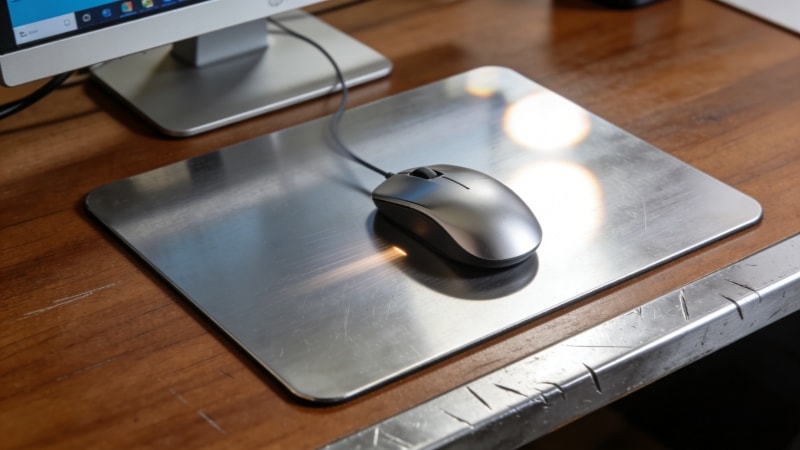
Polished metal
Rough stone
Thick or uneven fabric
These materials can cause poor tracking and may damage the mouse sensor over time. Older mice that used a ball for movement also struggled on these surfaces, as the ball could not grip or track properly.
Mouse pad alternatives are best for short-term or emergency situations, such as travel or quick office tasks.
If you use a mouse for long hours, gaming, or detailed work, a dedicated mouse pad is a better option. It provides consistent control, comfort, and durability that temporary items cannot match. However, making your own mousepad can be a cheap and effective solution, allowing you to customize it according to your personal preference.
For daily use, a proper mouse pad makes a clear difference.
The surface material affects speed and accuracy
Rubber-based mouse pads stay stable on the desk
Desk mats provide more space and better comfort, and can accommodate both your keyboard and mouse, creating a large, comfortable workspace and enhancing organization and style
Hard mouse pads, made from durable materials, prioritize speed and responsiveness, making them a popular choice for gamers who value quick movements over comfort
Thickness and size should match your usage habits
A traditional mouse pad remains a preferred option for users who value familiarity, precision, or a classic design, while others may opt for larger mats or hard pads depending on their needs and preferences
High-density rubber mouse pads and desk mats are commonly used for office work, gaming, and professional environments because they offer better control and long-term comfort. A better mouse, such as one with a laser sensor or optical sensor, can work on a wider range of surfaces. A laser mouse is especially effective on glossy or reflective surfaces, while an optical mouse may require a more traditional mouse pad to avoid tracking issues. The choice between a traditional mouse pad, desk mat, or hard mouse pad often comes down to personal preference and the specific use case.
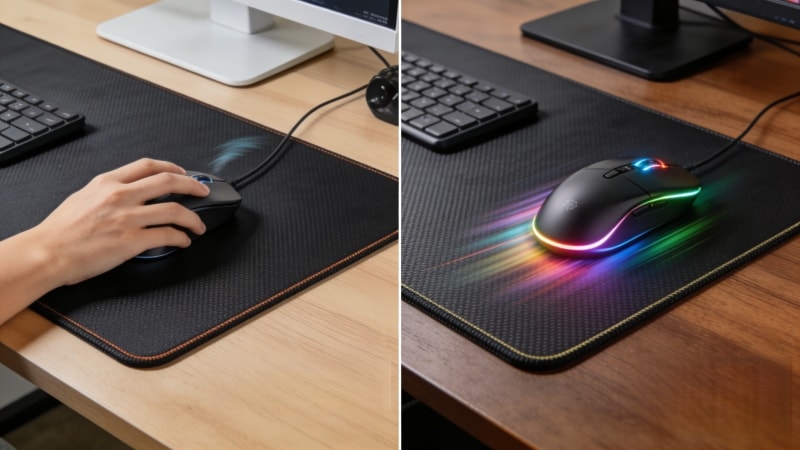
Many everyday items can be used as a mouse pad when needed. These alternatives are helpful for short-term use and quick solutions.
However, for regular work, gaming, or professional use, a proper mouse pad provides better performance and comfort.
At www.fdmat.com, we manufacture a wide range of mouse pads and desk mats with natural rubber bases and customizable surfaces. Our products are suitable for offices, gaming setups, and promotional use.
If you are looking for a reliable mouse pad manufacturer or custom mouse pad solutions, feel free to visit our website and contact us anytime.


